


How Technology Has Changed Our Lives
The world we live in today looks very different from just a few decades ago. Daily routines, modes of communication, and the way people access information have all undergone remarkable transformation due to innovative tools and digital advancements. From smartphones to smart homes, the rise of new devices and platforms has made daily activities more convenient, efficient, and interconnected. This ongoing shift influences every part of modern existence, shaping how individuals interact, work, and learn in profound ways
Living in the Age of Smart Everything
Let’s be honest — life today feels like something straight out of a sci-fi movie. We wake up not to a blaring alarm clock, but to the gentle voice of a smart assistant that already knows what kind of morning we want. The coffee brews automatically, the lights adjust to match the sunrise, and your phone shows today’s schedule before you even open your eyes.
Technology has changed our lives in ways our grandparents could never have imagined. It’s not just about shiny gadgets anymore; it’s about how seamlessly digital tools have blended into our daily rhythm. Every ping, swipe, and click is a thread in this web of connectivity that shapes the way we live, love, and learn.
So, how exactly has technology changed our lives? Let’s break it down — piece by piece — and see how deeply it has reshaped the human experience.
The Digital Transformation of Daily Life
From Alarm Clocks to Smart Homes
Remember when you had to jump out of bed to turn off your alarm? Those days are long gone. Smart homes now understand your mood, your habits, even your sleep pattern. Lights dim automatically, thermostats adjust themselves, and voice assistants respond faster than most humans before coffee.
It’s comfort on autopilot — and while it sounds luxurious, it’s quickly becoming the new normal.
How Smartphones Became Our Digital Lifeline
Our phones aren’t just tools; they’ve become companions. They hold our memories, our conversations, our plans, and even our health stats. One small device now handles what used to take a dozen others — a camera, a watch, a radio, a map, and a computer all rolled into one.
It’s wild to think how lost we’d feel without them. Yet that’s exactly how technology changed our lives — by becoming a silent partner we can’t live without.
Technology and the Rise of Virtual Assistance
Virtual assistants like Siri, Alexa, and Google Assistant have turned convenience into an art form. They remember your appointments, play your music, and even tell jokes when you’re bored. It’s almost like having a personal assistant who never sleeps — one that runs on Wi-Fi instead of caffeine.
How Technology Changed the Way We Work
Remote Work Revolution
If someone told you ten years ago that you’d attend meetings in pajamas, you’d probably laugh. But here we are. Technology made remote work not just possible, but powerful. Tools like Zoom, Slack, and Google Workspace turned living rooms into global offices.
We’ve learned that work isn’t a place — it’s something we do, not where we go.
Automation and AI at the Workplace
AI has become the quiet coworker we didn’t know we needed. It handles repetitive tasks, sorts data, and even drafts emails before we finish our coffee. Instead of replacing humans, it’s helping us focus on creativity, strategy, and innovation.
The question is no longer if technology will reshape work — it’s how fast.
Productivity Tools that Save Time and Energy
From Notion to Trello, digital tools now organize our chaos. They track projects, manage time, and remind us of deadlines better than our brains ever could. In short, technology has made “work smarter, not harder” more than just a catchy quote — it’s a daily reality.
The Impact of Technology on Communication
From Letters to Instant Messaging
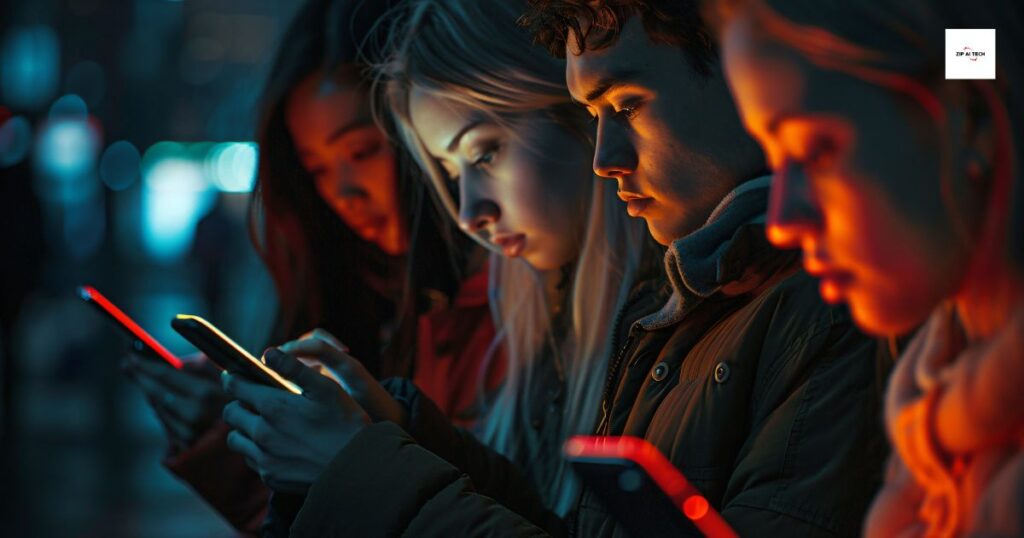
Gone are the days when we waited weeks for handwritten letters. Now, a text message can travel halfway around the world in less than a second. Technology has made communication instant — but it has also changed its tone. We type more and talk less, trade emotions for emojis, and sometimes forget the power of a real conversation.
How Social Media Connects (and Divides) Us
Social media has built a global stage where everyone has a microphone. We can share, express, and connect with people we’ve never met. But it also has its shadows — comparison, misinformation, and the constant pressure to “be online.”
It’s a blessing and a curse rolled into one endless scroll.
Virtual Meetings and the End of Distance
Birthdays, weddings, interviews — we attend them all online. The world has shrunk into screens, proving that technology has made distance irrelevant. You might be miles apart, but one click brings you face to face.
Technology in Education – Learning Beyond Classrooms
Online Learning Platforms and AI Tutors
Education is no longer limited to school walls. From Coursera to ChatGPT-based learning assistants, knowledge is now global and instant. Anyone with a smartphone and an internet connection can learn anything, anytime.
Technology has made education limitless.
Gamified Learning: Making Education Fun Again
Who said learning had to be boring? Today’s apps turn math, science, and language lessons into games. Points, badges, and progress bars make learning addictive — in a good way.
Technology didn’t just change how we learn; it changed why we enjoy learning.
How Technology Bridges the Global Education Gap
Students in rural areas can now access world-class teachers. Video classes, digital libraries, and AI-based translation tools are breaking down barriers that once kept education uneven. It’s one of the most powerful ways technology has changed our lives — by making opportunity borderless.
The Role of Technology in Healthcare

AI Diagnostics and Wearable Health Devices
Your smartwatch now knows your heartbeat better than your doctor used to. AI systems analyze scans, detect diseases early, and recommend treatments faster than ever. It’s healthcare on fast-forward.
Telemedicine and Remote Care
No more long waits in hospital corridors. Virtual consultations have made healthcare accessible even in remote regions. Whether it’s mental health therapy or post-surgery follow-up, technology ensures care travels faster than ever.
Medical Research Powered by Data
AI and data analytics are speeding up drug discoveries and vaccine research. What once took years can now happen in months — even weeks. Technology isn’t just treating illness; it’s predicting and preventing it.
How Technology Transformed Entertainment
Streaming Culture and On-Demand Media
Remember flipping through TV channels? Now, you flip through streaming apps. Services like Netflix, YouTube, and Spotify have given us control — we watch what we want, when we want. It’s freedom in pixels.
Gaming and Virtual Reality Adventures
Games have evolved into immersive universes. VR lets you climb mountains, explore galaxies, or play tennis in your living room. It’s more than entertainment — it’s an escape.
The Rise of AI-Generated Content
AI now writes music, paints art, and even helps create movies. The line between human and machine creativity is getting blurry — and that’s both fascinating and a little scary.
How Technology Affects Our Mental and Social Health
The Double-Edged Sword of Connectivity
We’re more connected than ever — yet loneliness is on the rise. Social media keeps us updated but often leaves us feeling left out. Technology brings people closer but can also widen emotional distances.
It’s a reminder that “online” doesn’t always mean “connected.”
Digital Detox – Why It’s Becoming a Trend
More people are realizing that the best notification is silence. Taking breaks from screens helps us recharge mentally. It’s not about rejecting technology — it’s about reclaiming control.
Finding Balance in a Hyperconnected World
The healthiest relationship with technology is a balanced one. Use it as a tool, not a trap. Enjoy its benefits, but don’t let it define your worth.
Environmental Impact – Can Technology Save the Planet?
Smart Cities and Green Tech
Cities are evolving into eco-friendly ecosystems. Sensors manage traffic, drones monitor pollution, and smart systems cut waste. The result? Cleaner air and smarter living.
Renewable Energy Innovations
From solar power to electric cars, technology is driving the green revolution. It’s proof that progress doesn’t have to hurt the planet.
AI in Climate Change Solutions
AI models now predict storms, optimize energy use, and track deforestation. Technology is helping us fight the very problems we once created.
The Future – Where Technology is Headed Next
AI Companions and Hyper-Automation
AI is growing from assistant to companion. Imagine personalized AI friends that adapt to your emotions and preferences. It sounds futuristic — but it’s closer than you think.
The Promise of Quantum Computing
Quantum computers will solve problems that even supercomputers struggle with today — from curing diseases to decoding the universe’s mysteries.
Human and Machine Collaboration
The next chapter of humanity isn’t humans versus machines — it’s humans with machines. Collaboration, not competition, will define the future.
Conclusion – A Connected Future for All
Technology has changed our lives in countless ways — from how we wake up to how we dream. It’s made life faster, smarter, and infinitely more connected. But with that power comes responsibility: to use it wisely, mindfully, and compassionately.
We’re no longer just using technology; we’re becoming it — shaping and being shaped by it every day. The challenge is to ensure that in our race toward progress, we never lose the human touch that makes life truly meaningful.
Read More from Zipaitech
1. iPhone 16 Pro Price Drop: What You Need to Know
Apple’s latest flagship just got more affordable! Discover why the iPhone 16 Pro price drop is making headlines and how it might change premium smartphone buying trends in 2025.
2. 6G Networks & AI Connectivity: The Future of Communication
Wondering what’s next after 5G? Dive into how 6G and AI integration will revolutionize internet speed, smart devices, and real-time global connectivity.
3. Hover Shoes Guide 2025: The Next Step in Personal Mobility
Step into the future with hover shoes — the latest trend redefining how we move. Learn how this futuristic innovation blends balance, speed, and fun in daily travel.
Stay Connected with Zipaitech
For more insights on AI, gadgets, and future tech, don’t miss our latest updates — follow us on:
Facebook | Instagram | Pinterest
Discover trending innovations, futuristic designs, and smart tech ideas every week. 🚀
FAQs
1. How has technology changed our lives the most?
It’s changed how we communicate, work, learn, and care for our health — making everything faster, easier, and more accessible.
2. What are the positive effects of technology?
It boosts efficiency, improves education, enhances healthcare, and connects people across the globe.
3. What are the negative effects of technology?
Overuse can cause addiction, reduce attention span, and increase stress or isolation. Balance is essential.
4. How is technology used in education today?
From AI tutors to digital classrooms, it’s making learning personalized, engaging, and borderless.
5. What’s the future of technology?
Expect breakthroughs in AI, automation, renewable energy, and quantum computing — all reshaping life as we know it.
Author Bio
Bal Kishan is a tech enthusiast and digital strategist at Zipaitech.com. He writes about AI, innovation, and the future of technology, helping readers understand how digital tools are reshaping modern life.


2 thoughts on “How Technology Has Changed Our Lives in 2025: The Digital Evolution”